

The core principle behind every trustworthy digital casino game is mathematical fairness. When you spin the reels of a video slot, place a bet on digital baccarat, or time your cashout on an arcade crash game, you need confidence that the outcome is genuinely random and completely free from manual tampering. Without strict algorithmic fairness, games lose their entertainment value and player trust deteriorates.
This technical guide demystifies the software architecture governing digital casino games across 8K8. We explain how Random Number Generators function, explore the role of international third-party certification laboratories, break down theoretical return-to-player percentages, and examine how cryptographic algorithms ensure transparency in modern arcade titles.
What is a Random Number Generator and How Does It Work?
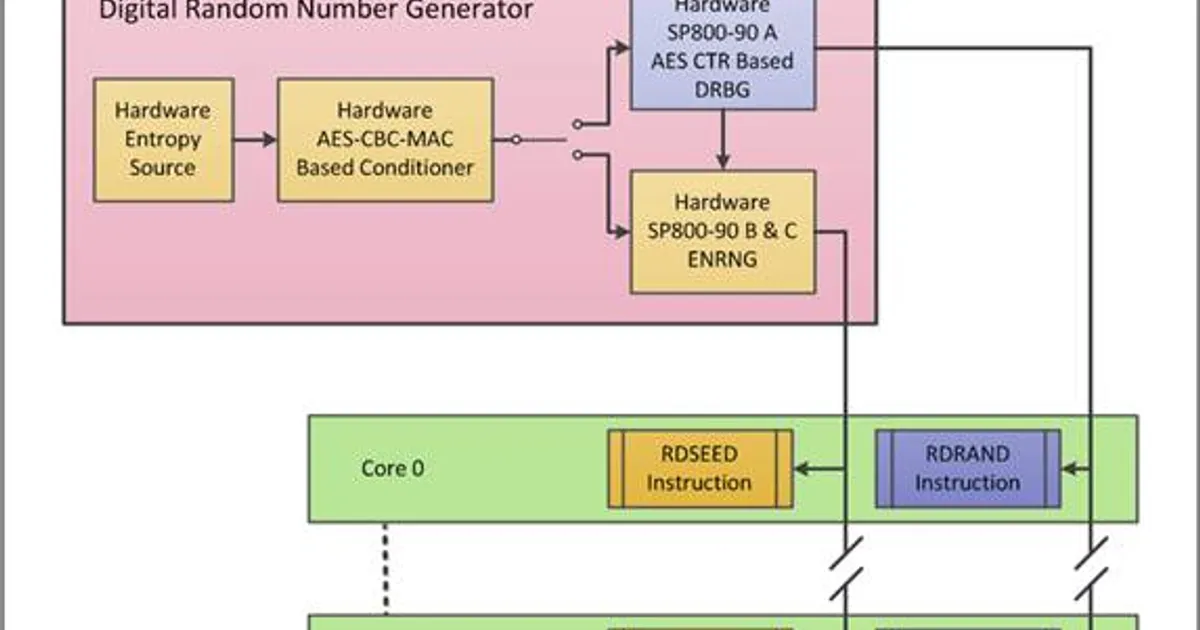
At the heart of every non-live digital casino game is a specialized software component known as a Random Number Generator. In digital gaming, software developers deploy sophisticated mathematical algorithms known as Pseudo-Random Number Generators that produce long sequences of unpredictable numbers at microsecond intervals.
Even when no one is actively playing a game, the Random Number Generator constantly calculates numerical strings. The precise millisecond you click the spin or deal button, the software captures the exact number generated at that instant and translates it into visual symbols on your screen, such as reels stopping on specific card icons or dice landing on particular colors.
Key characteristics of certified Random Number Generators include:
- Complete Independence: Every spin or game round is an isolated statistical event. The outcome of your previous spin has zero influence on the outcome of your next spin.
- Unpredictability: Neither the player, the casino operator, nor the game provider can predict the next sequence of symbols.
- Uniform Distribution: Over millions of test cycles, every symbol and payline combination appears in exact accordance with its mathematical probability.
Common Misconceptions About Game Cycles and Hot Streaks
Many players develop superstitions regarding how casino games behave. Understanding the true nature of random algorithms helps debunk persistent gaming myths:
RNG REALITY CHECK: COMMON MYTHS VS. MATHEMATICAL FACTS
Myth: "A slot machine that hasn't paid out in an hour is 'due' for a big win."
Fact: The RNG has no memory. The odds on the next spin are identical to the first spin.

Myth: "Playing at night or during peak hours alters game payout frequencies."
Fact: Server-side RNG algorithms operate continuously on fixed math models regardless of time or traffic.

Myth: "Casino operators can adjust the payout percentage of a slot machine with a single button."
Fact: Game math is hosted on the certified software provider's remote servers, not by the casino operator.
Recognizing that every round is independent is the first step toward disciplined bankroll management and healthy, realistic expectations.
Independent Third-Party Testing Laboratories
Reputable software studios do not verify their own algorithms in isolation. To establish credibility, developers must submit their game code, mathematical models, and software libraries to accredited international testing laboratories.
These independent testing bodies run games through millions of automated simulated rounds to evaluate statistical randomness, source code security, and return-to-player accuracy. Prominent globally recognized laboratories include:
- BMM Testlabs: One of the oldest independent testing facilities in the world, providing compliance testing, software auditing, and cryptographic evaluation for digital gaming systems.
- Gaming Laboratories International (GLI): An internationally recognized testing organization that provides technical compliance certification for land-based and online gaming systems across hundreds of jurisdictions.
- iTech Labs: A leading testing and certification lab specializing in online gaming systems, testing Random Number Generators, card shuffling algorithms, and payout calculations.
- eCOGRA: An established regulatory auditing agency focusing on player protection, fair gaming standards, and responsible operator conduct.
When a game provider earns certification from these institutions, players can be confident that the game math operates fairly and matches its published technical specifications.
Understanding Return-to-Player and Volatility Ratings
Two mathematical concepts dictate the long-term behavior of digital casino titles: Return-to-Player and Volatility. Understanding how they interact helps you select games that align with your risk preference.
Theoretical Return-to-Player
Return-to-Player is the calculated percentage of total wagered money that a game is mathematically programmed to return to players over an extended period comprising millions of spins.
For example, if a JILI slot game features an official rating of 96.50%, it is mathematically designed to pay back an average of ₱96.50 for every ₱100.00 wagered across millions of collective rounds. The remaining 3.50% represents the theoretical house advantage that covers operational overhead. It is vital to recognize that this percentage is calculated over vast statistical samples, not individual short-term gaming sessions. In a 50-spin session, your individual result may range from zero to several thousand times your original stake.
Game Volatility and Hit Frequency
Volatility (or variance) describes the financial risk level and payout pacing of a game:
- Low Volatility: Games that award frequent wins in smaller amounts. These titles help sustain your bankroll over longer play sessions.
- High Volatility: Games that award wins less frequently, but feature much larger maximum payout ceilings (such as 5,000x to 10,000x your bet). These games require strict budget discipline because extended dry spells are common.
- Medium Volatility: A balanced middle ground offering moderate payout sizes with steady hit frequencies.
Hit frequency measures how often a winning combination lands. A game with a 25% hit frequency will, on average, produce a winning outcome on one out of every four spins.
Cryptographic Fairness in Fast Arcade and Crash Games
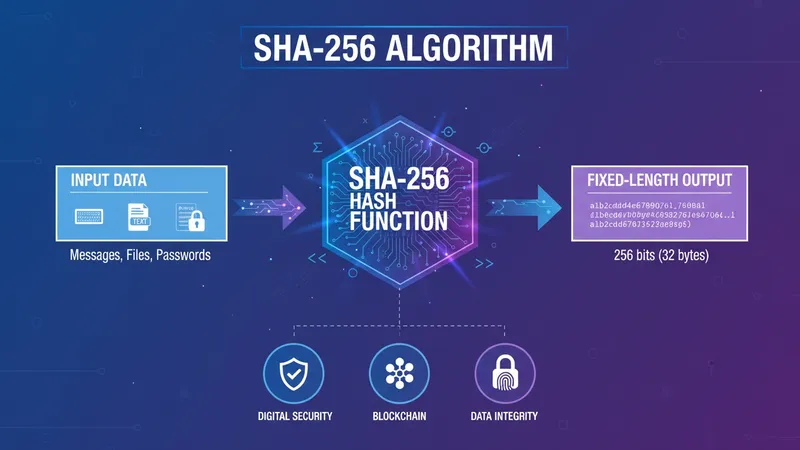
Modern crash and arcade titles like Spribe's Aviator and Mines deploy an innovative verification technology known as Provably Fair cryptography. Unlike traditional games that rely solely on server-side algorithms, Provably Fair systems allow players to personally verify the mathematical randomness of each game round.
How Provably Fair Cryptography Operates
- Server Seed Generation: The game server generates a secret seed number, hashes it using advanced SHA-256 encryption, and displays the encrypted hash to the player before the round begins.
- Client Seed Generation: The player's device generates a random client seed (or allows the user to input a custom string).
- Round Hash Generation: When the round commences, the server seed and client seed are merged and cryptographically encrypted.
- Independent Verification: After the plane flies away in Aviator or the round concludes in Mines, the unencrypted server seed is revealed. Players can paste both seeds into any independent third-party SHA-256 calculation tool to verify that the outcome was predetermined and untouched during live betting.
This cryptographic approach provides unprecedented transparency, proving that neither the casino nor the player altered the game's outcome.
Live Dealer Studio Security and Optical Card Recognition
For live casino titles like baccarat, roulette, and game shows broadcast from professional studio floors, physical security takes center stage alongside digital software.
Live dealer operations maintain transparency through:
- Optical Character Recognition Technology: High-definition cameras track card faces the moment dealers draw them from physical shoes, instantly translating the physical cards into digital bet results on your screen.
- Continuous Video Feeds: Unbroken high-definition live streams allow you to monitor dealer hand movements, card shuffling, and wheel spins from multiple camera perspectives.
- Tamper-Evident Equipment: Playing card decks feature barcode or microchip security, and card shoes are electronically monitored to prevent misdeals or double draws.
- Studio Supervision: Floor managers and independent pit bosses oversee dealers in real time to ensure adherence to strict dealing protocols.
Frequently Asked Questions
Can 8K8 or any casino operator alter game payout odds during play?
No. Game software, RNG algorithms, and payout mathematics are hosted on remote servers managed directly by certified international software studios like JILI, PG Soft, and Evolution. Casino operators cannot alter these algorithms.
How do I know if a slot machine's RTP rating is accurate?
Reputable software studios publish their theoretical RTP percentages in the game information menu. These figures are independently verified by accredited testing laboratories like GLI and BMM Testlabs.
Does playing with bonus funds lower my chances of winning?
No. Random Number Generator algorithms treat every spin identically, regardless of whether you are wagering real deposited cash, promotional credits, or playing in demo mode.
What does "Provably Fair" mean in crash games like Aviator?
Provably Fair is a cryptographic verification system using SHA-256 hashing that allows players to independently confirm that the game outcome was predetermined and untouched by the operator.
Are physical live dealer games safer than digital RNG slot games?
Both formats are secure when properly certified. Digital RNG slots are audited by mathematical software laboratories, while live dealer tables rely on physical studio supervision, optical card scanning, and continuous live video broadcasting.
Internal Resource Directory
Explore related technical guidelines, consumer protection articles, and policy documents: